The 140 dB Threshold: Why Your Hearing Protection is Non-Negotiable
Whether you're a new shooter heading to the range for the first time or an experienced marksman, hearing protection is one piece of gear you should never overlook.
Hearing damage is permanent. Exposure to gunfire can cause irreversible hearing loss and tinnitus, making proper hearing protection an essential part of every range session.
Why Hearing Protection Matters
Firearms are among the loudest recreational tools most people will ever use. A single gunshot can exceed 140 decibels (dB), the threshold at which immediate hearing damage can occur.
Common firearm noise levels include:
-
.22 LR: Approximately 140 dB
-
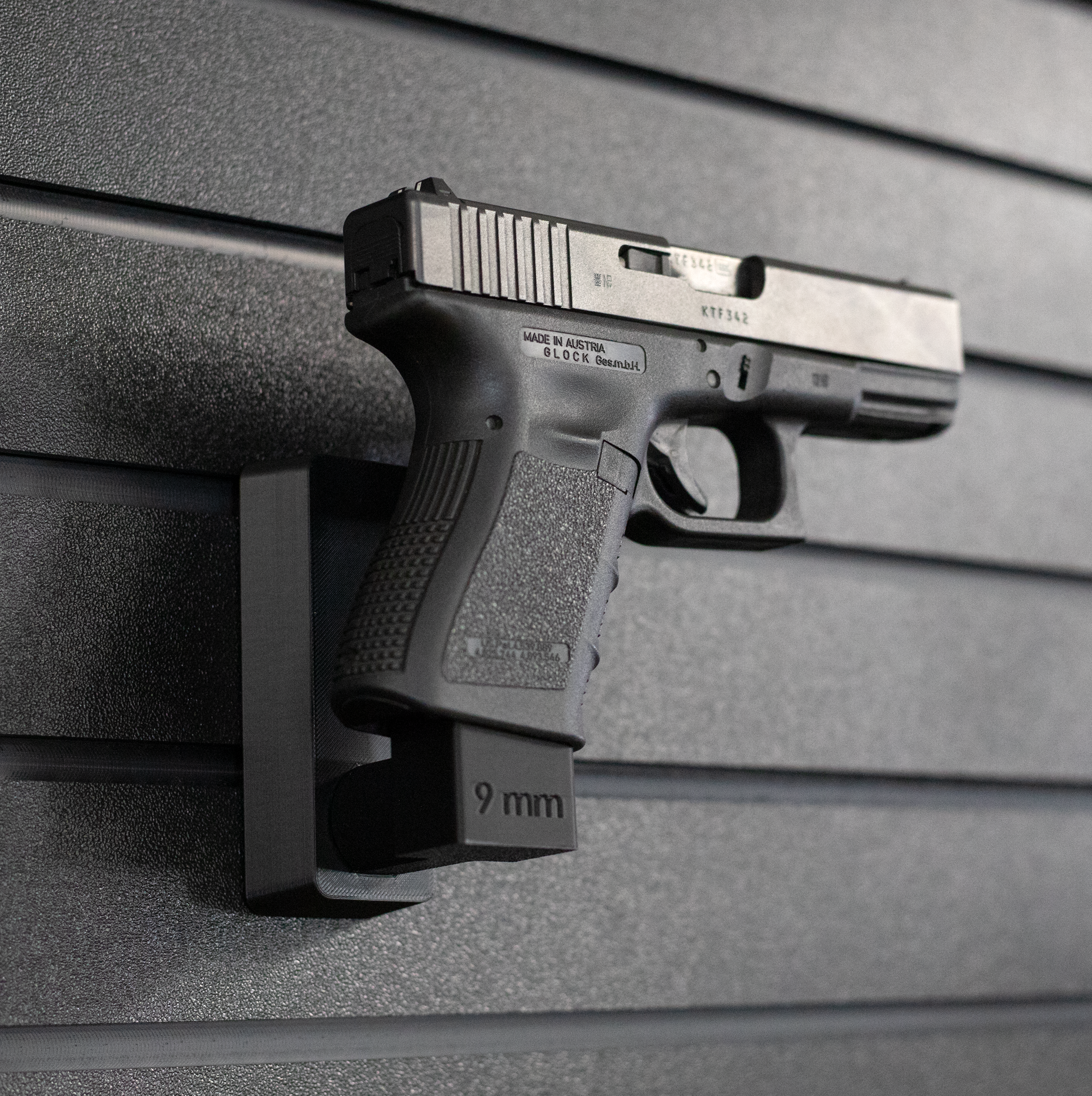
9mm handgun: Approximately 160 dB
-
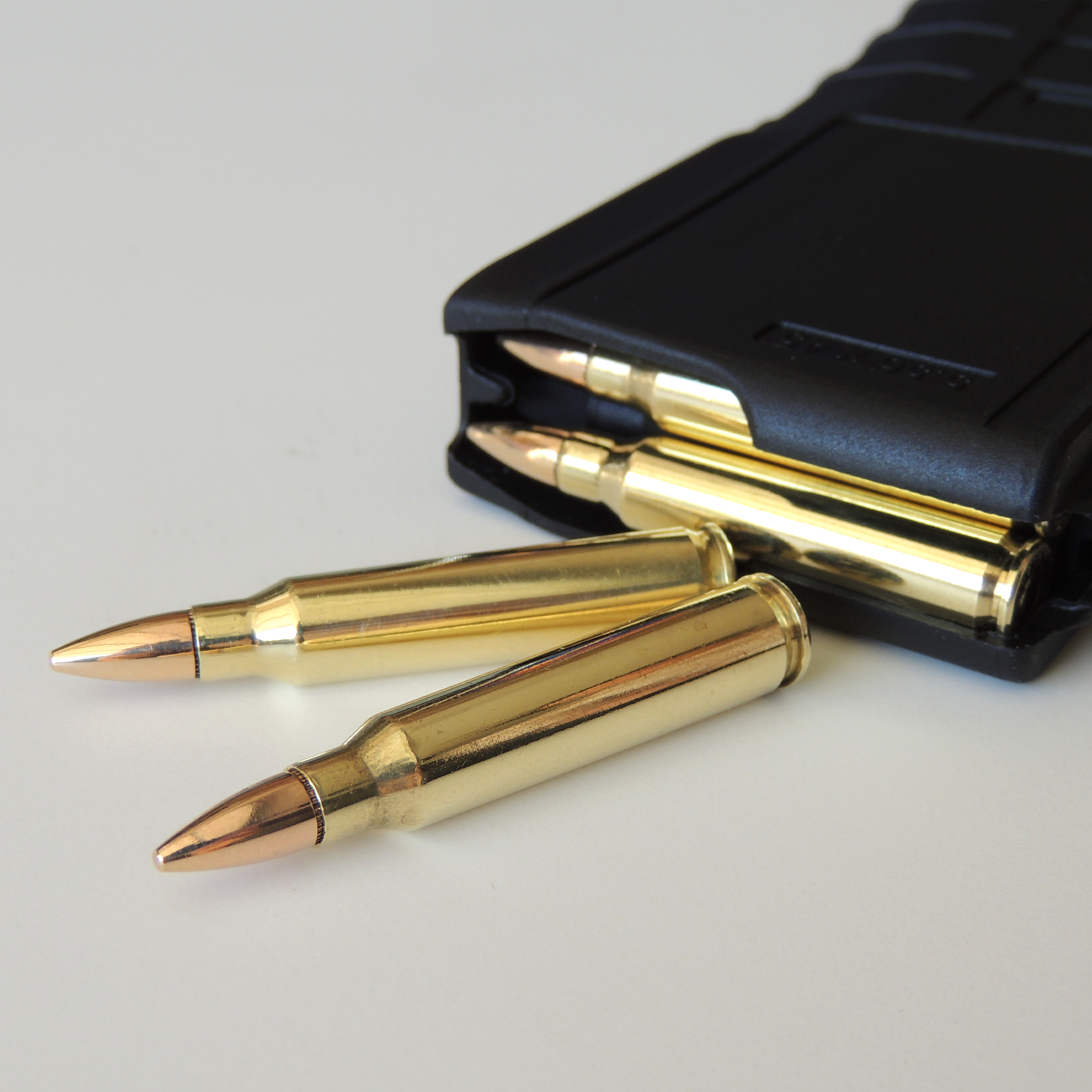
AR-15 / .223 rifle: Approximately 155–165 dB
-
12-gauge shotgun: Approximately 160 dB+
To put that into perspective, normal conversation occurs around 60 dB, while a chainsaw typically operates around 110 dB.
Repeated exposure to gunfire without proper hearing protection can lead to:
-
Permanent hearing loss
-
Tinnitus (ringing in the ears)
-
Difficulty understanding speech
-
Increased sensitivity to loud sounds
The good news is that proper hearing protection can significantly reduce these risks.
Decoding NRR: What Rating Do You Actually Need for the Range?
When shopping for earbuds or earmuffs, you'll often see a Noise Reduction Rating (NRR) listed on the packaging.
The NRR measures how much noise a hearing protection device can reduce under controlled testing conditions. Generally speaking, a higher NRR provides greater protection.
For shooting applications:
-
NRR 22–25: Light protection, suitable for some low-noise environments
-
NRR 26–29: Good protection for many outdoor shooting situations
-
NRR 30+: Excellent protection for most shooting activities
It's important to remember that NRR ratings are based on ideal conditions. Improperly fitted earplugs or earmuffs with a poor seal may provide significantly less protection than their advertised rating.
NRR is a laboratory rating, not a real-world subtraction formula. The EPA-standardized test is conducted under controlled conditions with a perfect fit, which means the number printed on the packaging consistently overstates the protection you'll actually receive. In practice, NIOSH recommends applying a 50% derating factor to get a realistic estimate. So a device rated at NRR 30 delivers roughly 15 dB of attenuation in real-world use — a critical distinction at the range.
A passive NRR rating of 25 dB is widely considered the gold standard for shooting ear protection. Below that threshold, you're leaving meaningful exposure risk on the table, especially at indoor ranges where reflected sound compounds the problem. That said, raw NRR alone doesn't tell the whole story of what works at the range.
One under appreciated variable is the cheek weld problem. When you shoulder a rifle and press your cheek firmly against the stock, the ear cup on that side can lift away from your head — breaking the acoustic seal and negating a significant portion of the rated protection. This is exactly why many precision and tactical shooters opt for double hearing protection for shooting, stacking foam plugs under their earmuffs to maintain a baseline attenuation level even when the seal is compromised. It's a simple, low-cost redundancy that makes a real difference on a high-round-count day.
"The best hearing protection is the one you will wear consistently and correctly every time you are at the range."
That principle feeds directly into a practical selection framework built around five criteria:
-
Comfort — Protection you'll refuse to wear because it's painful or hot is worthless. Fit and wearability drive consistent use.
-
Cost — Quality passive muffs start around $20–$30, while electronic options can run $150–$400+. Match investment to frequency of use.
-
Communication — Electronic hearing protection with ambient sound amplification lets you hear range commands without removing your gear.
-
Convenience — How quickly can you put it on, take it off, and store it? Complexity creates excuses not to use it.
-
Capability — Does the form factor actually work with your shooting style, firearm platform, and tactical plate carrier or gear setup?
Each of those five criteria narrows the field considerably, and that's before you even decide between the two primary form factors available to shooters. Whether plugs or muffs better fit your range kit is a decision worth thinking through carefully.
Ear Plugs vs. Electronic Earbuds vs. Ear Muffs: Choosing the Right Form Factor
Choosing between ear plugs, electronic earbuds, and earmuffs isn't just a comfort preference—it's a decision that directly affects seal quality, shooting comfort, and how well you're protected when the trigger is pulled.
The fit you choose is just as important as the NRR rating on the box. Asking, "What NRR do I need for shooting?" is the right starting point, but even the highest-rated hearing protection can fall short if it isn't worn correctly or doesn't maintain a proper seal throughout your range session.
All three form factors can provide effective hearing protection. The best choice often comes down to your shooting style, environment, and personal preference.
Ear Plugs
Foam and reusable ear plugs remain one of the most effective and affordable ways to protect your hearing.
Pros
-
Lightweight and compact
-
Comfortable in hot weather
-
Won't interfere with rifle stocks or cheek welds
-
Easy to carry in a pocket or range bag
-
Often provide some of the highest NRR ratings available
Cons Must be inserted correctly to achieve full protection
-
Easy to lose or misplace Can be inconvenient to remove and reinsert during conversations
-
Some shooters find them uncomfortable during long range sessions
Electronic Earbuds
Electronic earbuds combine hearing protection with amplified ambient sound, allowing shooters to hear conversations and range commands while still protecting against gunfire.
Pros
-
Lightweight and low-profile
-
Compatible with rifles, shotguns, and cheek welds
-
Allow natural conversations and situational awareness
-
Comfortable in hot weather
-
Easy to carry and store
Cons
-
Typically more expensive than traditional ear plugs
-
Battery dependent
-
Require proper fit to maintain an effective seal
-
Some shooters find in-ear devices uncomfortable during extended use

Ear Muffs
Earmuffs are one of the most popular choices for both new and experienced shooters because they're simple to use and provide consistent protection.
Pros
-
Easy to put on and remove
-
Consistent protection when properly fitted
-
Available in passive and electronic versions
-
Excellent choice for new shooters
-
Easy to verify proper fit
Cons
-
Bulkier than plugs or earbuds
-
Seal can be affected by eyeglasses, hat brims, or facial hair Can become warm during extended use in hot weather May interfere with certain rifle and shotgun shooting positions
Which Option Is Best?
There isn't a single best choice for every shooter. Many experienced shooters keep multiple options available and choose based on the firearm, environment, and duration of the range session.
A common setup is to use foam ear plugs as a baseline level of protection and then add electronic earbuds or electronic earmuffs when enhanced communication and situational awareness are desired. For indoor ranges, short-barreled firearms, or high-volume shooting environments, many shooters choose to double up with both plugs and muffs for maximum protection.
The best hearing protection is the one you'll wear correctly every time you shoot. A proper fit, consistent seal, and comfortable form factor are ultimately more important than chasing the highest NRR number on the package.
The Electronic Advantage: Situational Awareness and Safety
Electronic hearing protection does something passive protection fundamentally can't: it lets you hear the range while blocking what hurts you.
The debate around ear plugs vs ear muffs shooting setups often overlooks a third category that changes the calculus entirely. According to the National Shooting Sports Foundation, electronic hearing protection uses built-in microphones to amplify ambient sounds while automatically compressing high-decibel impulses; meaning range commands come through clearly, and gunshots don't.
Ambient amplification is what makes electronic hearing protection so useful on the range. Low-level sounds — a range officer's voice, a shooter repositioning nearby, a "Cease Fire" call — get boosted to a comfortable listening level. The moment a shot fires, the unit's circuitry responds in milliseconds to suppress that impulse before it damages your hearing.
Clipping vs. compression is a distinction worth understanding. Cheaper units use clipping, which abruptly cuts audio above a threshold, producing a harsh, distorted output. Higher-quality electronics use compression, which smoothly reduces loud sounds while preserving audio fidelity. For shooters who need to track multiple voice cues on a busy range, compression technology is meaningfully better.
Battery life and weather resistance matter more than most buyers anticipate, especially for outdoor sessions. A unit that dies mid-session leaves you unprotected or reaching for backup passive muffs. Look for units rated for moisture resistance if you're shooting in variable conditions.
The Double-Up Rule: Why Indoor Ranges Demand More
Indoor ranges are acoustically unforgiving environments — sound bounces off hard walls, ceilings, and floors, creating reflected noise that compounds the original muzzle blast and pushes exposure levels well beyond what a single layer of protection can reliably handle.
When you're shooting indoors, a single device — even a high-NRR model — often isn't enough.
Indoor acoustics dramatically amplify the problem. A .308 rifle fired outdoors might peak around 160 dB at the shooter's ear. That same shot fired indoors can climb several decibels higher due to reverberation. Multiply that across a range session with multiple shooters, and sustained exposure becomes a serious risk.
The solution is doubling up: wearing foam earplugs underneath your electronic muffs. Here's how to do it correctly:
-
Insert foam earplugs first — roll them down, insert them snugly, and allow them to fully expand before proceeding.
-
Place electronic muffs over the top — ensure the ear cups create a clean seal around each ear without disturbing the plugs.
-
Verify the fit — no gaps, no pressure points that break the seal on either device.
According to OSHA, doubling up adds 5 to 10 dB of protection beyond the higher-rated single device — not a full combination of both NRR values. That margin, however, is exactly what high-caliber indoor shooting demands.
For shooters running large-caliber rifles indoors, pairing quality foam plugs with the best electronic hearing protection for shooting is the practical standard, not an overcaution. Getting the fundamentals of doubling up right sets the stage for understanding what overall protection guidelines you should be meeting — which is exactly what's worth breaking down next.
Common Hearing Protection Mistakes
Even quality hearing protection can be less effective when used incorrectly.
Avoid these common mistakes:
Wearing Earplugs Incorrectly
Foam earplugs must be properly rolled and inserted to create an effective seal.
Ignoring Worn-Out Equipment
Damaged ear cushions, worn foam plugs, and cracked components can reduce protection.
Breaking the Seal
Glasses, hats, and facial hair can create gaps around earmuffs, allowing noise to enter.
Removing Protection Between Shots
Even brief exposure to nearby gunfire can cause damage. Keep hearing protection in place whenever firearms are being handled or discharged.
Choosing the Right Hearing Protection for Your Shooting Style
The best hearing protection depends on how and where you shoot.
Casual Range Shooters
Quality earmuffs with a strong NRR rating often provide an excellent balance of protection, comfort, and affordability.
Competitive Shooters
Electronic hearing protection helps competitors maintain communication and situational awareness while protecting their hearing.
Hunters
Many hunters prefer lightweight electronic hearing protection that allows them to hear their surroundings while remaining protected when taking a shot.
Indoor Range Shooters
Double hearing protection is strongly recommended due to increased noise reflection in enclosed environments.
Final Thoughts
Protecting your hearing is one of the simplest and most important safety decisions you can make as a shooter.
Whether you choose earplugs, earbuds, earmuffs, or a combination of both, the key is wearing quality hearing protection consistently every time you shoot.
Investing in proper hearing protection today can help preserve your hearing for years to come, allowing you to continue enjoying time at the range without the long-term consequences of avoidable hearing damage.
Looking for hearing protection for your next range day? Explore Double Tap Industries' selection of passive and Bluetooth hearing protection designed to help shooters stay safe, comfortable, and connected.
Frequently Asked Questions
What NRR is best for shooting?
For most shooters, an NRR of 25–30 or higher provides excellent protection. Indoor ranges and high-caliber firearms may require double hearing protection.
Are electronic earmuffs safe for shooting?
Yes. Quality electronic earmuffs automatically reduce harmful impulse noise while allowing you to hear conversations and range commands.
Should I wear earplugs and earmuffs together?
Many experienced shooters do, especially at indoor ranges or during high-volume training sessions.